


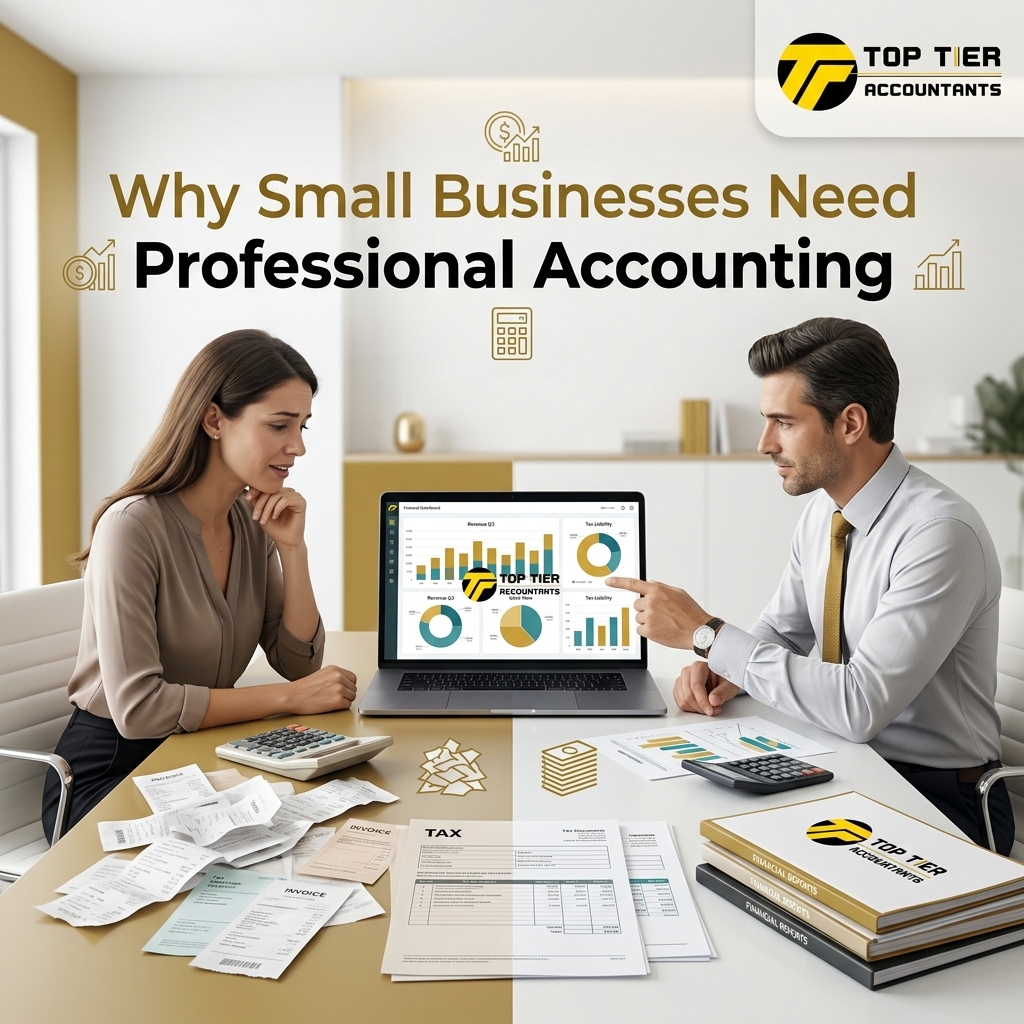
Introduction to Professional Accounting
What is Professional Accounting?
Professional accounting is much more than just tracking income and expenses—it’s the backbone of a financially stable and scalable business. At its core, professional accounting involves the systematic recording, analysis, and reporting of financial transactions by trained experts who understand the complexities of financial systems. These professionals don’t just crunch numbers; they interpret financial data to provide insights that help business owners make smarter decisions.
Think of Professional Accounting as a GPS for your business finances. Without it, you might be moving forward, but you don’t really know if you’re heading in the right direction. Small business owners often start by managing finances themselves, using spreadsheets or basic tools. While this might work in the beginning, it quickly becomes overwhelming as the business grows. Errors, missed entries, and lack of proper categorization can lead to serious financial confusion.
Professional accountants bring structure and clarity. They ensure that every transaction is recorded accurately, every report is reliable, and every financial decision is backed by data. This level of precision is critical, especially when businesses aim to grow, attract investors, or secure loans. Without professional accounting, businesses are essentially operating in the dark, relying on guesswork instead of facts.
Importance for Small Businesses
Small businesses operate in a highly competitive and often unpredictable environment. Every decision counts, and even minor financial mistakes can have significant consequences. This is where professional accounting becomes essential. It provides business owners with a clear understanding of their financial position, helping them navigate challenges and seize opportunities effectively.
Imagine running a business without knowing your exact profit margins or cash flow status. It’s like driving a car without a dashboard—you have no idea how fast you’re going or when you might run out of fuel. Professional accounting eliminates this uncertainty by offering real-time insights into your financial health. It helps you track performance, identify trends, and make informed decisions.
Another critical aspect is credibility. When your financial records are professionally managed, it builds trust with stakeholders such as banks, investors, and suppliers. They are more likely to support your business if they see accurate and well-maintained financial statements. In many cases, professional accounting can be the difference between securing funding and facing rejection.
Common Financial Challenges Faced by Small Businesses
Lack of Financial Knowledge
One of the biggest hurdles for small business owners is the lack of financial expertise. Most entrepreneurs focus on their core skills—whether it’s selling products, providing services, or managing operations. Accounting often takes a backseat, leading to poor financial management.
Without proper knowledge, it’s easy to misinterpret financial data. Business owners might assume they are making profits when, in reality, they are barely breaking even. This misunderstanding can result in poor decision-making, such as overspending or underpricing products.
Poor Record Keeping
Accurate record-keeping is essential for any business, yet many small businesses struggle with it. Missing invoices, unrecorded expenses, and inconsistent data can create chaos. This not only affects daily operations but also becomes a major issue during tax season.
Cash Flow Mismanagement
Cash flow is the lifeline of any business. Mismanaging it can lead to serious problems, including the inability to pay bills or employees. Professional accounting helps monitor and control cash flow effectively.
Benefits of Professional Accounting Services
Accurate Financial Records
Accurate records are the foundation of a successful business. Professional accountants ensure that every financial transaction is recorded correctly, reducing the risk of errors and discrepancies.
Better Decision Making
With reliable financial data, business owners can make informed decisions. Whether it’s expanding operations or cutting costs, accurate insights make a huge difference.
Time Saving for Business Owners
Managing finances can be time-consuming. By outsourcing accounting tasks, business owners can focus on growing their business instead of dealing with numbers.
Role of Accountants in Business Growth
Financial Planning and Strategy
Accountants play a key role in planning for the future. They help set financial goals and create strategies to achieve them.
Budgeting and Forecasting
Budgeting and forecasting allow businesses to prepare for future challenges. Accountants use data to predict trends and guide decision-making.
Tax Compliance and Legal Benefits
Avoiding Penalties
Tax laws can be complex and constantly changing. Professional accountants ensure compliance, helping businesses avoid costly penalties.
Staying Updated with Regulations
Accountants stay updated with the latest regulations, ensuring that your business operates within legal boundaries.
Cost vs Value of Hiring an Accountant
Is It Worth the Investment?
Many small business owners hesitate to hire accountants due to cost concerns. However, the value they provide often outweighs the expense. From saving time to preventing costly mistakes, professional accounting is an investment in your business’s future.
Technology and Modern Accounting
Use of Accounting Software
Modern accounting relies heavily on software tools that streamline processes and improve accuracy.
Automation and Efficiency
Automation reduces manual work and minimizes errors, making accounting more efficient.
Conclusion
Professional accounting is not a luxury—it’s a necessity for small businesses aiming for growth and stability. It provides clarity, ensures compliance, and supports better decision-making. Without it, Businesses risk Financial Mismanagement, missed opportunities, and potential failure. Investing in professional accounting is one of the smartest decisions a small business owner can make.
FAQs
1. Why do small businesses need accountants?
They help manage finances, ensure accuracy, and support growth.
2. Can I manage accounting myself?
Yes, but it becomes difficult as your business grows.
3. How much does an accountant cost?
Costs vary depending on services and business size.
4. What software is best for small business accounting?
Popular options include QuickBooks and Xero.
5. When should I hire an accountant?
As soon as your financial tasks become complex or time-consuming.
Post a comment
Related Posts
September 19, 2026
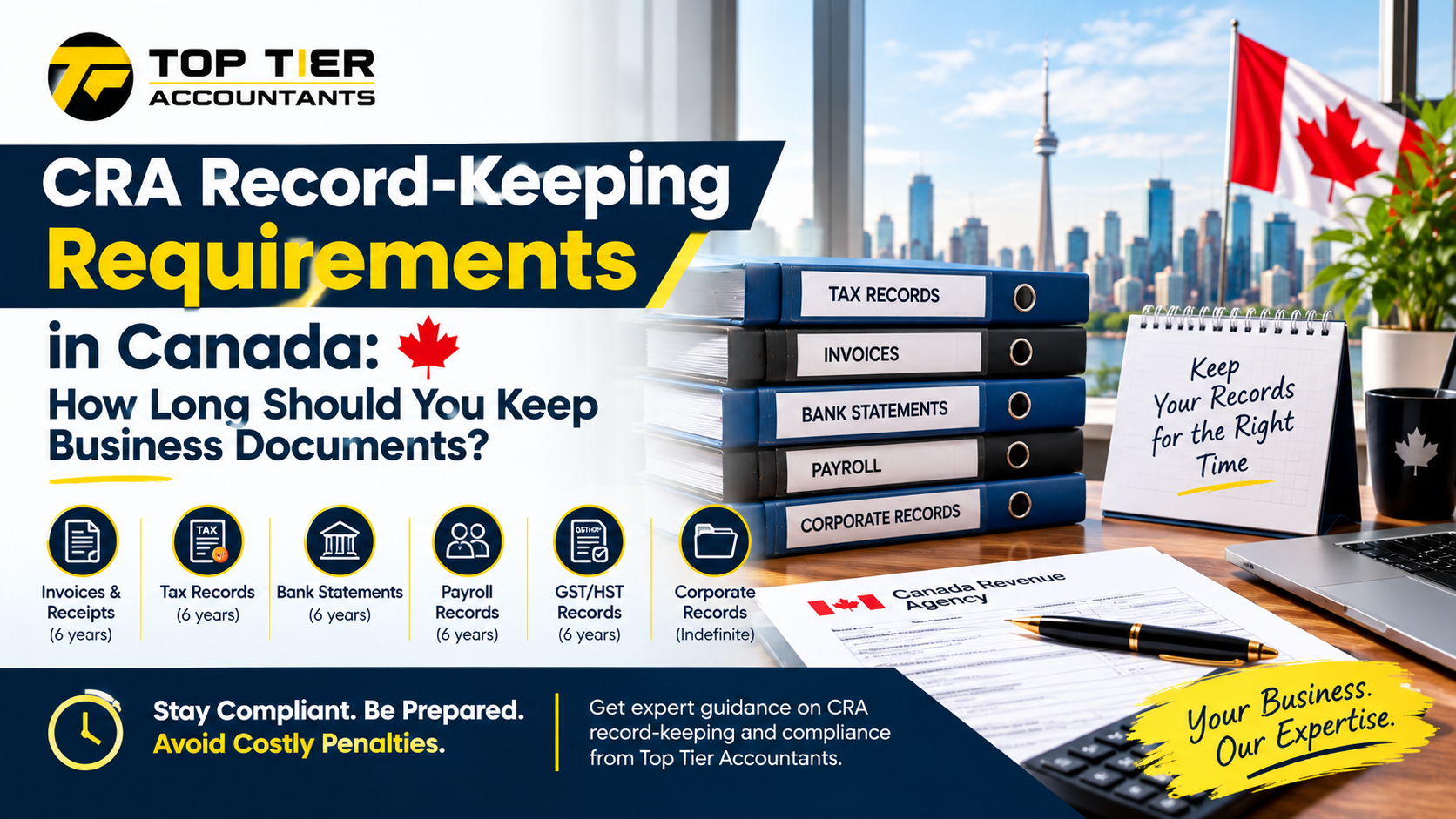
CRA Record-Keeping Requirements in Canada: How Long Should You Keep Business Documents?
Why CRA Record Keeping Matters Good record keeping is one of the most important responsibilities…

September 19, 2026
Corporate Tax Planning Mistakes That Could Cost Canadian Business Owners Thousands
Canadian business owners often focus on increasing revenue, controlling expenses, and finding new customers. Tax…

September 19, 2026
Corporate Tax Instalments in Canada: How to Calculate and Avoid CRA Interest
For many Canadian business owners, corporate tax instalments can feel confusing. You make payments throughout…

September 19, 2026
Canadian-Controlled Private Corporation (CCPC): Tax Benefits You Should Know
A Canadian-Controlled Private Corporation (CCPC) can be one of the most valuable structures available to…