



Introduction: Why Choosing the Right Tax Expert Matters in Canada
Filing personal taxes in Canada isn’t just about plugging numbers into a form and hoping for the best. It’s about understanding a system that’s layered, detailed, and constantly evolving. The Canada Revenue Agency (CRA) has specific rules, deadlines, credits, deductions, and reporting requirements that can feel overwhelming especially if you’re juggling work, family, or running a business. That’s where trusted experts for personal tax filing in Canada come in.
Think of tax season like navigating a maze. You can try to find your way alone, but one wrong turn might cost you time, money, or even penalties. A qualified tax professional acts like a guide who knows every shortcut and every trap. They understand federal and provincial tax laws, keep up with policy changes, and ensure your return is accurate and optimized.
But why does trust matter so much? Because your tax return contains sensitive financial information—income, investments, debts, family details. You need someone who handles that information ethically, securely, and professionally. Beyond confidentiality, trust also means reliability. You want someone who stands behind their work if the CRA asks questions later.
Choosing the right tax expert can mean the difference between simply filing a return and strategically managing your financial future. Whether you’re a salaried employee, self-employed, a student, or retired, having a knowledgeable professional on your side can transform tax season from stressful to seamless.
Let’s break down exactly what personal tax filing involves and why working with a trusted expert can make all the difference.
Understanding Personal Tax Filing in Canada
Personal tax filing in Canada revolves around reporting your annual income and calculating how much tax you owe—or how much refund you’re entitled to receive. While it may sound straightforward, the reality is more complex. Canada’s tax system includes federal and provincial components, multiple tax brackets, various credits, and numerous deductions that can significantly impact your final outcome.
Every year, Canadian residents must complete a T1 General Income Tax and Benefit Return. This form captures all sources of income, including employment income (T4 slips), self-employment earnings, investment income (T5 slips), rental income, pensions, and government benefits. It also includes eligible deductions such as RRSP contributions, childcare expenses, and moving expenses.
Tax filing is not just about income it’s also about benefits. Filing your return determines eligibility for programs like the Canada Child Benefit (CCB), GST/HST credits, climate action incentives, and other provincial benefits. Even if you have little or no income, filing ensures you don’t miss out on financial support you may qualify for.
The Canadian tax system operates on a self-assessment model. This means you are responsible for reporting accurate information. The CRA reviews returns after submission and may request additional documentation. Errors intentional or not—can lead to reassessments, interest charges, or penalties.
That’s why understanding the basics is essential. But knowing the basics alone isn’t always enough. Tax rules change yearly, and what applied last year might not apply this year. Trusted tax experts stay updated on legislative updates, ensuring your return aligns with current CRA regulations.
Now let’s explore who exactly needs to file a tax return in Canada—and why even those who think they don’t might still benefit from doing so.
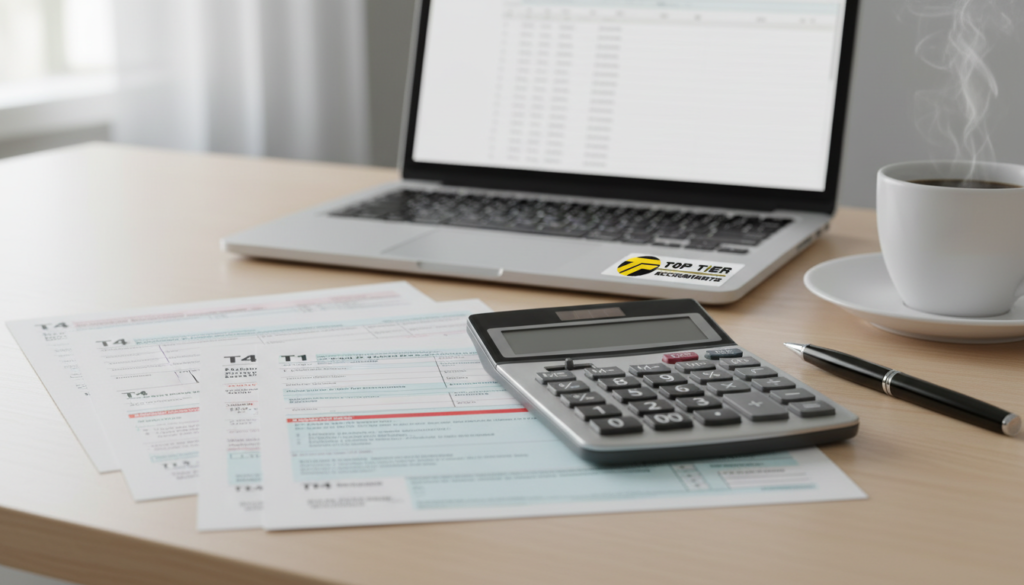
What Is Personal Income Tax?
Personal income tax in Canada is a tax imposed on individuals based on their total annual earnings. It funds public services such as healthcare, education, infrastructure, and social programs. While paying taxes may not feel exciting, it plays a crucial role in maintaining the country’s economic and social systems.
Canada uses a progressive tax system. That means the more you earn, the higher the percentage of tax you pay—but only on the portion of income that falls within each tax bracket. For example, if your income crosses into a higher bracket, only the income above the threshold is taxed at the higher rate. This structure ensures fairness and proportional contribution.
Income isn’t limited to salary alone. It includes:
- Employment wages
- Bonuses and commissions
- Self-employment income
- Investment income (dividends, interest, capital gains)
- Rental income
- Pension payments
- Certain government benefits
After calculating total income, you subtract deductions to determine taxable income. Then, non-refundable and refundable tax credits are applied to reduce the amount owed.
Here’s a simplified breakdown:
| Component | Description |
| Total Income | All sources of earnings combined |
| Deductions | RRSP, childcare, business expenses |
| Taxable Income | Income after deductions |
| Credits | Reduce tax payable |
| Final Result | Refund or balance owing |
Understanding personal income tax requires more than filling in numbers. It requires strategy. For instance, knowing when to contribute to an RRSP or how to claim eligible home office expenses can significantly impact your return.
This is where trusted experts shine. They don’t just process forms—they analyze your financial situation and identify opportunities to legally reduce your tax burden. Instead of guessing your way through complex calculations, you gain clarity and confidence.

Who Needs to File a Tax Return in Canada?
Many people assume that if they earned little or no income, they don’t need to file a tax return. That assumption can be costly. In Canada, filing a tax return is not only mandatory in certain cases but also beneficial in many others.
You must file a tax return if:
- You owe tax to the CRA
- The CRA requests a return
- You disposed of capital property (like selling investments or property)
- You need to repay certain government benefits
- You earned self-employment income
- You withdrew from your RRSP under special programs
Even if you don’t meet these conditions, filing is often a smart move. Why? Because filing triggers eligibility for benefits and credits. Students, low-income earners, and seniors may qualify for refundable tax credits even if they owe no tax.
For example:
- GST/HST Credit
- Canada Child Benefit (CCB)
- Climate Action Incentive
- Provincial support programs
Newcomers to Canada should also file to establish residency status and access benefits. Similarly, young adults turning 18 should file to start receiving eligible credits.
Self-employed individuals face stricter requirements. Even if your business generated minimal income, you must report it. Failure to file can result in penalties and interest charges.
A trusted tax expert ensures you don’t overlook filing obligations or miss out on valuable credits. They assess your unique circumstances and provide tailored advice. Instead of wondering, “Do I really need to file?” you’ll have a clear, confident answer.
Post a comment
Related Posts

February 27, 2026
Certified Industrial Accountant in Canada
Introduction to Certified Industrial Accountant in Canada A Certified Industrial Accountant in Canada plays a…
February 27, 2026
Start Your Sole Proprietorship Today
Start Your Sole Proprietorship Today – We Handle the Registration Starting a business is exciting.…

February 19, 2026
Professional Not-For-Profit Incorporation Services in Canada
Why Incorporating a Not-For-Profit Matters Starting a not-for-profit organization (NPO) in Canada often begins with…

February 18, 2026
Get Your Master Business Licence in Canada – Fast, Easy & Reliable
Understanding the Master Business Licence in Canada Starting a business in Canada is exciting. It…