

How to Reduce Your CRA Audit Risk: A Practical Guide for Businesses.
Why CRA Audits Happen
For many business owners in Canada, the mere thought of a CRA audit can be stressful. Audits are triggered to ensure businesses are reporting income correctly and paying the right amount of tax. While audits aren’t inherently punitive, being unprepared can lead to fines, penalties, and unnecessary stress.
The good news is, most audits can be avoided or minimized through careful planning and meticulous record-keeping. Understanding why the CRA selects businesses for audits is the first step to reducing your risk.
Understanding Audit Triggers:
The CRA uses algorithms to identify discrepancies or unusual activity in tax filings. Common triggers include:
- Reporting inconsistent income
- Claiming unusually high expenses relative to revenue
- Large one-time deductions
- Repeated corrections or amendments
Being aware of these triggers allows you to proactively structure your finances and avoid red flags.
📚 Keeping Accurate Records
Importance of Bookkeeping
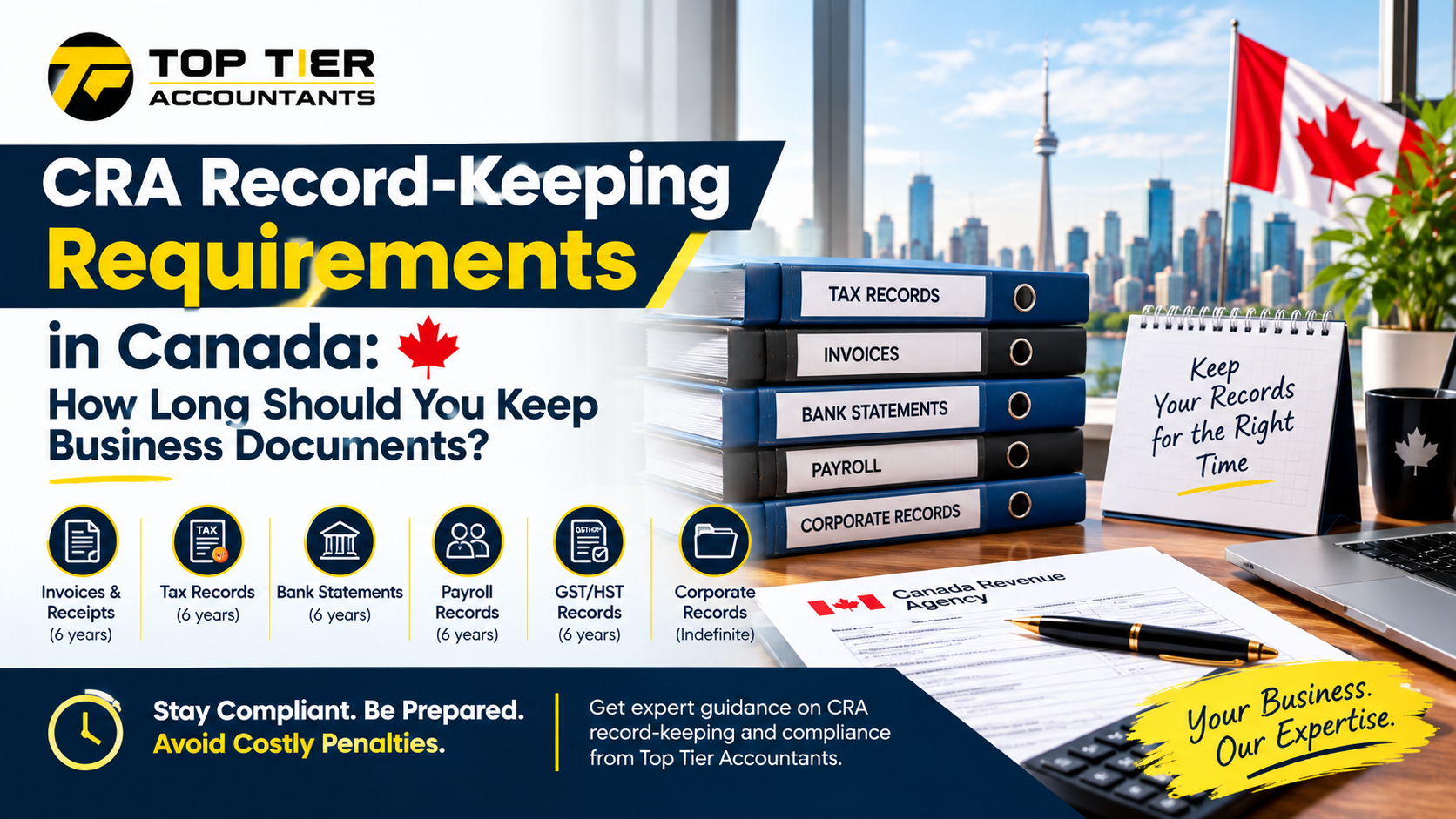
Accurate bookkeeping is the backbone of audit risk reduction. Every transaction should be recorded properly, categorized correctly, and supported by receipts or invoices. Using accounting software can streamline the process and provide a clear audit trail.
Business owners who maintain daily or weekly bookkeeping routines are far less likely to encounter problems with CRA. A well-documented system signals professionalism and compliance.
Digital vs Paper Records
Digital records are increasingly accepted and often preferred by the CRA. PDFs, spreadsheets, and accounting software reports provide an easy-to-access trail. However, some paper records may still be required. Combining both ensures compliance and reduces the likelihood of lost or incomplete documentation.
💡 Understand Deductible Expenses
Common Deduction Mistakes
Claiming expenses incorrectly is a major audit trigger. Common mistakes include:
- Claiming personal expenses as business expenses
- Overstating home office or vehicle deductions
- Double claiming expenses across accounts
Being precise and conservative with deductions reduces risk and ensures your filings are credible.
Supporting Documentation
Every claimed deduction must have a supporting document. This includes receipts, invoices, contracts, or mileage logs. Organizing these documents systematically ensures they’re accessible if CRA requests them.
🏢 Payroll and T4 Accuracy
Employee Remittances
Payroll errors, such as underpaying CPP, EI, or withholding taxes, can attract CRA attention. Ensuring remittances are submitted accurately and on time helps maintain compliance and reduces audit risk.
Correct Reporting Practices
Providing employees with accurate T4 slips and ensuring that salaries, bonuses, and benefits are properly reported is crucial. Mistakes in payroll reporting are a common audit trigger.
💰 GST/HST Compliance
Timely Filing
Late GST/HST filings or mismatched claims can draw CRA attention. Filing returns on time and reconciling payments helps maintain credibility and reduces the chance of an audit.
Input Tax Credits
Input tax credits must relate directly to business expenses. Claiming unrelated ITCs can raise red flags. Documenting purchases with receipts ensures proper support.
📊 Tax Planning and Professional Guidance
Use of Accountants or Advisors
Engaging a professional accountant or tax advisor ensures that your filings comply with CRA rules. Advisors can review your statements, optimize deductions, and identify potential audit triggers before submission.
Planning Ahead to Avoid Red Flags
Strategic tax planning includes monitoring deductions, timing large purchases, and keeping consistent records. Planning ahead significantly lowers the chance of audits.
⚠️ Avoiding Red Flags
Large One-Time Expenses
Sudden, unusually large expenses relative to income can trigger CRA review. Spread expenses over multiple years when possible and document the business purpose clearly.
Consistently High Deductions
Claiming near-maximum allowable deductions year after year without justification may attract scrutiny. Ensure all deductions are realistic and well-documented.
🏛️ Internal Controls and Policies
Standardized Processes
Standardized accounting procedures, expense approvals, and reconciliation policies reduce errors and inconsistencies. CRA is less likely to target businesses that demonstrate organized financial management.
Reconciliation Practices
Monthly reconciliation of bank statements, accounts receivable, and accounts payable ensures that reported figures match actual cash flow. This level of diligence builds confidence in your filings and reduces audit risk.
📞 Handling CRA Communication
Responding Promptly
If the CRA contacts you, respond quickly and professionally. Ignoring or delaying replies can escalate issues and increase audit likelihood.
Professional Representation
For more complex audits, consider professional representation. A tax advisor or accountant can liaise with CRA on your behalf, ensuring accurate communication and reducing stress.
🧾 Conclusion
Reducing CRA audit risk isn’t about avoiding taxes—it’s about accuracy, consistency, and compliance. By maintaining detailed records, understanding deductions, and using professional guidance, Canadian businesses can significantly lower their audit exposure. A proactive approach today prevents complications tomorrow, keeping your business secure and focused on growth.
❓ FAQs
1. What triggers a CRA audit for small businesses?
Common triggers include high deductions, inconsistent income, late filings, and large one-time expenses.
2. How long should I keep business records?
Generally, keep records for six years after the end of the tax year.
3. Can I handle a CRA audit myself?
Yes, for simple cases. For complex audits, professional representation is recommended.
4. How can I reduce audit risk proactively?
Maintain accurate records, claim legitimate deductions, file on time, and engage professionals.
5. What should I do if the CRA contacts me?
Respond promptly, provide supporting documents, and consider professional guidance if necessary.
Post a comment
Related Posts
August 31, 2026
5 Bookkeeping Reports Every Canadian Business Owner Should Review Monthly
Why Monthly Financial Reporting Matters Running a Canadian business without regularly reviewing your bookkeeping reports…

August 8, 2026
How to Set Up a CRA Payroll Account for Your Business
What Is a CRA Payroll Account? If your Canadian business is hiring employees, one of…

August 8, 2026
How to Reduce Your Corporate Tax Legally in Canada (2026 Guide)
Every business owner wants to keep more of their hard-earned profits, but reducing your tax…

August 8, 2026
How to File Complex Tax Returns for Canadian Businesses
Filing a corporate tax return in Canada can become complicated as a business grows. A…